
Introduction
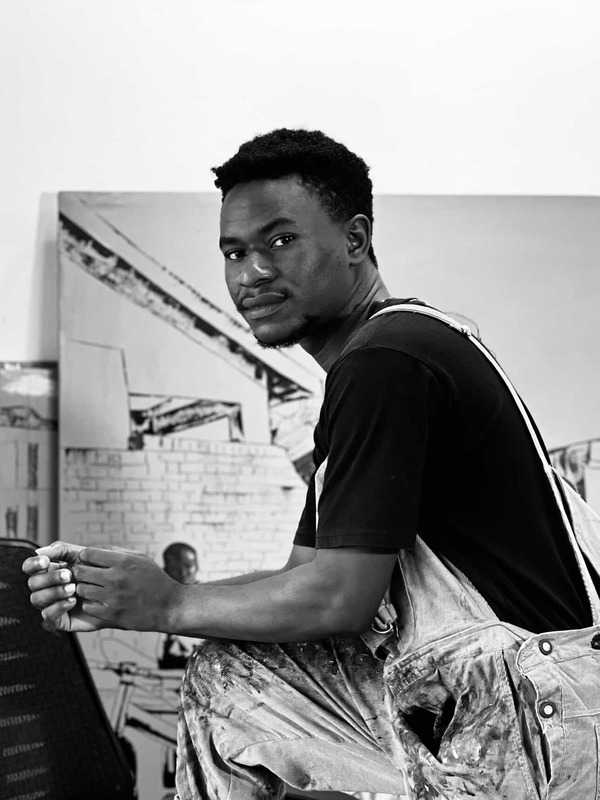
Eyitayo Joy Alagbe, a Nigerian multimedia visual artist, has carved a distinctive niche in the contemporary art scene through his evocative and deeply personal works. Born and raised in Ogbomoso, Oyo State, Eyitayo's artistic path began in early childhood, evolving from a personal escape into a powerful voice for communication and social commentary. His art, characterized by a unique blend of traditional and contemporary techniques, explores the complexities of human experience, with a particular focus on African identity, men's mental health, and the resilience of African women.
Artist Biography:
Eyitayo Joy Alagbe (b. 1997) is a visual artist based in Ibadan, Nigeria. Born and raised in Ogbomoso, Oyo State, he discovered his passion for art at an early age, developing his skills through a blend of natural talent, formal education, and practical experience. He holds an NCE in Fine and Applied Arts from Emmanuel Alayande College of Education, Oyo (2019), and a B.EDU in Fine and Applied Arts from Obafemi Awolowo University (2023).
Working across acrylic, oil, ink, charcoal, and pastels medium, Alagbe blends traditional and contemporary techniques to explore the complexities of human experience, engaging themes such as diverse lifestyles, emotions, struggles, strengths, and memories with particular focus on men’s mental health, the beauty and resilience of African women, and the perseverance of Africans.
Through each piece, Alagbe invites viewers to connect personally with the narratives he presents, offering space for reflection within the shared human story. His art combines technical skill with emotional depth, continually pushing the boundaries of his craft.
Q and A Segment with Eyitayo Joy Alagbe
Q1. What inspired you to pursue a career in art, and how did you develop your unique style?
Ans: My journey into art began very early in life. As a child, I was naturally drawn to drawing and visual expression. Even when pursuing art wasn’t fully encouraged at home, I couldn’t let it go. Art became more than a hobby for me; it became a safe space. After the loss of my mother, creating art turned into a way of processing emotions, coping with loneliness, and expressing feelings I couldn’t put into words. From that point on, art wasn’t just something I loved, it was something I needed.
My environment played most important role. I am deeply inspired by African society, its people, struggles, emotions, culture, and everyday experiences. I observe a lot, and those observations naturally find their way into my work.
Over time, my style developed organically through experimentation. I work with mixed media, charcoal, pastel, acrylic, oil and I allow accidents, textures, and emotions to guide the process. One key turning point was when unexpected color splashes appeared on my subjects’ faces; instead of correcting them, I embraced them. That decision became a defining element of my work. It later evolved into what I describe as Ayoism - a style rooted in joy, confidence, emotional depth, and personal expression, even in the midst of pain or struggle.
Ultimately, my style is a reflection of my life experiences, my environment, and my belief that art should be honest, emotional, and deeply human.
Q2. You mentioned that art became a form of communication for you after the passing of your mother. Can you elaborate on how that personal experience shaped your early artistic voice and the emotional depth that is often present in your work?
Ans: After my mother passed away, I was overwhelmed by loneliness, and nothing seemed to make sense anymore. I stayed in the shop she left behind, unsure of my future and struggling to find direction. In that uncertainty, drawing became my refuge. Through art, I rediscovered love and purpose. It allowed me to express my emotions freely—I draw anything and anyone I feel connected to or long to meet.
This experience deeply shaped my artistic voice. I found myself resonating with people facing emotional and mental challenges, and through my work, I strive to offer them comfort, understanding, and a sense of safe space.
Q3. What responsibility do you feel as an artist in shaping thevisual narrative of African identity for both a local and global audience?
As an artist, I feel a deep responsibility to tell our stories ourselves. We are Africans, and no one is coming to define or narrate our experiences for us in a way that is fully honest, nuanced, or authentic. Even when others attempt to tell our stories, they often filter them through their own perspectives, assumptions, or limitations.
My role is to help shape a visual narrative that reflects our realities, our histories, and our futures as we see them—complex, diverse, and alive. For a local audience, this means creating work that resonates with shared experiences and affirms identity. For a global audience, it means challenging stereotypes and offering a more accurate, human, and self-defined representation of who we are. Telling our own stories is not just creative work; it is a responsibility and an act of ownership.
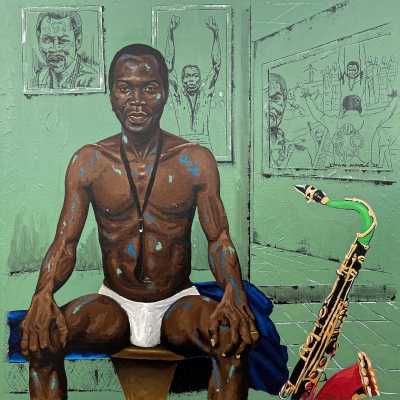
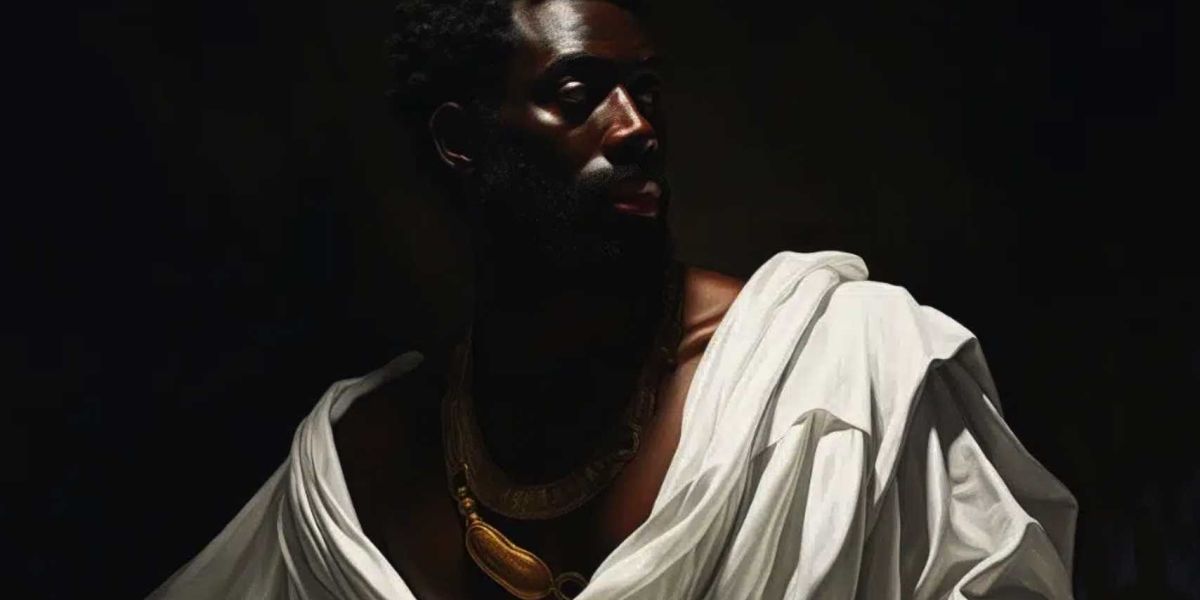
Title: Fela The Black President We Never Had
Click here to buy:
https://tribbbal.com/post/125763_fela-the-black-president-we-never-had.html
Q4. Your signature element - the splashes of color on your subjects' faces has a fascinating origin rooted in an accident. How did you move from that initial accidental discovery to intentionally incorporating it as a symbolic element that "shows confidence" and "creates joy from the pain of life"?
Ans: So, I realized that the accident had added something powerful to my work. It didn’t distort the figure; instead, it amplified the emotion. There was a sense of boldness, honesty, and freedom in it.
From there, I began to reflect deeply on why that moment felt right. Life itself is full of unexpected experiences, pain, loss, struggle, joy and we don’t always get the chance to erase them. I started to see the color splashes as a visual metaphor for those experiences. Rather than hiding them, I wanted to celebrate them.
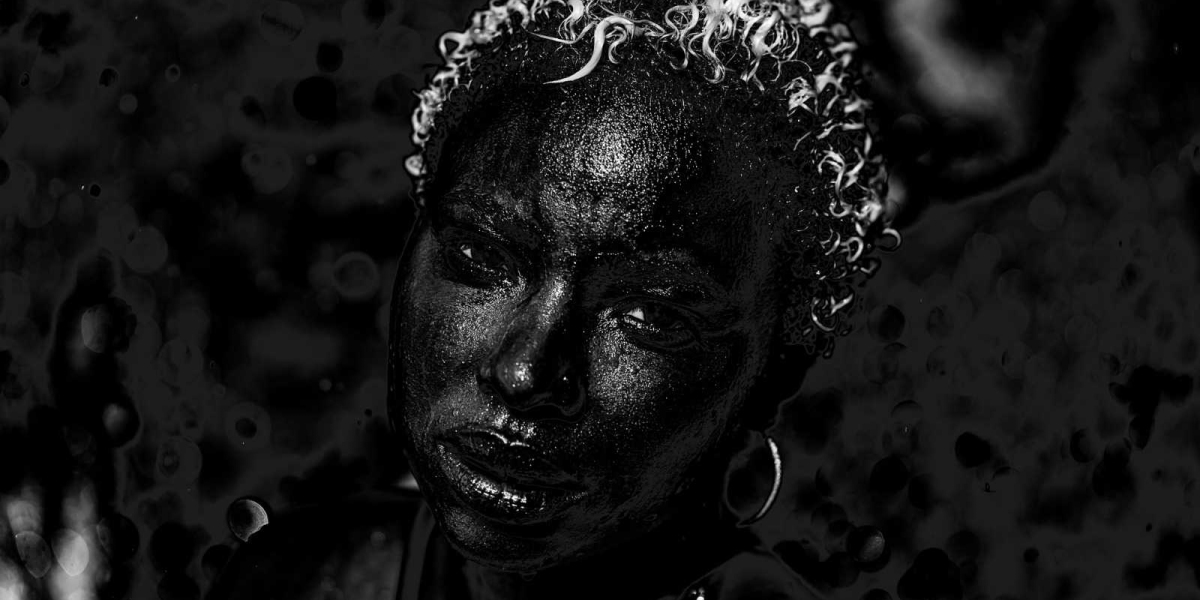
As I continued working, I began to introduce the splashes intentionally, using color placement to interact with facial expressions, skin tones, and mood. The colors became a way of asserting confidence, especially for Black subjects by refusing to present them as fragile or muted. Instead, the splashes declare presence, strength, and self-awareness.
Over time, this element evolved into a symbolic language in my work. The colors represent joy born out of pain, beauty shaped by imperfection, and resilience formed through life’s challenges. What started as an accident became a conscious decision to embrace unpredictability, transform emotional scars into visual pride, and show that even in difficult moments, there is room for joy, confidence, and self-expression.
Q5. The term "Ayoism" is a beautiful internalization of your name and philosophy. How do you ensure that the "pleasure and happiness" you find in creation are successfully conveyed to the viewer, especially when the subject matter deals with "not-so-palatable real-life situations"?
Ans: For me, Ayoism begins with honesty. I don’t try to escape difficult realities or soften them to make them more comfortable. Instead, I approach them truthfully, because joy becomes more meaningful when it exists alongside pain, not in denial of it. The pleasure and happiness I find in creating come from that freedom to express myself without pretending that life is one thing or the other.
To convey this to the viewer, I focus strongly on emotional balance. Even when the subject matter reflects hardship, introversion, or societal struggles, I intentionally introduce elements that suggest resilience and inner light. This is where color plays a crucial role. The splashes of color, my choice of tones, and the way I treat the skin are not just aesthetic decisions; they are emotional signals. They suggest strength, confidence, and the possibility of joy, even when circumstances are heavy.
I’m also very intentional about facial expressions and body language. I want viewers to feel that the subject is aware of their reality but not defeated by it. There is usually a quiet confidence, a calm presence, or a subtle dignity that invites empathy rather than pity. That emotional connection allows the viewer to sense the pleasure I experienced while creating the work.
Ultimately, Ayoism is about transformation. The happiness in my work is not loud or naive; it is reflective and earned. I want viewers to walk away feeling seen, reassured, and reminded that joy can exist within struggle—and that creating, like living, can be an act of healing and affirmation.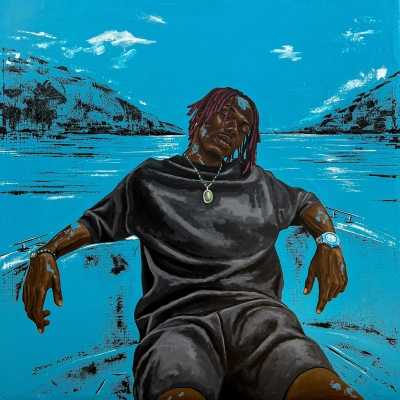
Title: In My Solitude
Click here to buy:
https://tribbbal.com/post/126075_in-my-solitude-ii.html
Q6. In your "After a long day" series, you explore the stress and struggles that show on people's faces. What is your process for capturing the raw, authentic emotion of your models, and how do you balance realism with the expressive elements of your style?
Ans: In the After a Long Day series, my process starts with observation and connection. I pay close attention to people around me how stress sits on their faces, the way their eyes carry tiredness, and the quiet emotions that appear after a long day of work or life pressures. Before creating a piece, I often engage my models in simple conversations or allow them to relax naturally, so their expressions are not forced. This helps me capture emotions that feel real and unfiltered.
I usually begin by taking reference photo and making sketches, focusing on facial structure, posture, and subtle details that communicate emotional weight. Realism is important to me because it grounds the work in truth; I want the viewer to immediately recognize themselves or someone they know in the subject.
Once that realism is established, I introduce my expressive elements. Through color splashes, layered textures, and mixed media, I add emotional depth rather than decoration. These elements don’t replace realism they sit on top of it, enhancing the mood and meaning. The balance comes from knowing when to stop: keeping the face believable while allowing color and texture to speak where words cannot. In this way, the series becomes both a mirror of everyday struggle and an emotional expression shaped by my personal style.
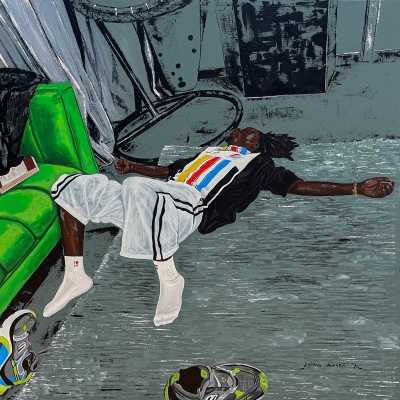
Title: After A Long Day (Rest is Readiness)
Click here to buy:
https://tribbbal.com/post/126082_after-a-long-day-rest-is-readiness.html
Q7. Can you explain the conceptual and visual purpose of “incorporating perspective through drawings” at the back of your subject and how it adds a layer of depth or context to the central figure?
Ans: Incorporating perspective through drawings behind my subjects is a deliberate conceptual choice. Visually, it helps me create depth and space, so the figure doesn’t feel flat or isolated on the surface of the canvas. Those background drawings act almost like a second layer of reality, giving the viewer more to explore beyond the face of the subject.
By combining realistic figures with loosely drawn perspectives, I create a dialogue between the subject and their context. The contrast also emphasizes the central figure, making them feel grounded yet surrounded by lived experiences. This approach adds emotional and narrative depth, allowing the viewer to understand the subject not just as a face, but as a person shaped by space, time, and experience.
Q8. What is the most pressing or challenging story from your immediate environment in Ibadan and Ogbomoso that you feel compelled to tell through your art right now?
Ans: The story of my childhood experiences
One of the most pressing stories from my immediate environment in Ibadan and Ogbomoso is the quiet struggle of everyday survival, especially among young people and working adults. It’s the kind of struggle that doesn’t always make the news but shows clearly on people’s faces - fatigue, uncertainty, resilience, and hope existing at the same time.
I see people waking up every day, carrying emotional and financial pressure, trying to meet expectations in a system that often gives little in return. In Ogbomoso, I’m drawn to stories of limitation—talent and dreams constrained by lack of opportunity. In Ibadan, I witness the fast pace of life, the hustle culture, and how it slowly wears people down while they still try to remain strong.
What compels me most is how normalized this stress has become. People rarely talk about it, but their faces tell everything. Through my art, I want to document this reality - not to pity it, but to humanize it. I want viewers to see strength in tiredness, dignity in struggle, and joy that still survives despite hardship. These are the stories closest to me, and they feel urgent because they reflect the lives I am living and witnessing every day.
Q9. How has your ongoing formal education continued to shape your practice, and what is the balance between academic learning and self-taught exploration in your career?
Ans: Formal education has given my practice structure and clarity. Through academic training, I’ve learned the fundamentals - drawing, composition, color theory, art history, and critical thinking - which help me understand why certain visual choices work and how to communicate ideas more effectively. School also challenges me to think conceptually, defend my ideas, and see my work within a broader artistic and cultural context.
At the same time, a large part of my growth comes from self-taught exploration. Outside the classroom, I experiment freely with materials, techniques, and ideas without the pressure of grades or rules. This freedom is where my personal style developed - through mistakes, accidents, and emotional responses that formal education doesn’t always teach.
The balance between the two is essential. Academic learning gives me a strong foundation and discipline, while self-teaching allows intuition, emotion, and individuality to lead. Together, they shape my career by helping me stay grounded in technique while remaining open, expressive, and true to my own voice as an artist.
Q10. You have a solo show planned for the near future. What can collectors and enthusiasts expect from this exhibition?
Ans: Expect visually compelling artworks, thought provoking pieces that will relate with our everyday experience as a child and as a men
Conceptually, the show will invite viewers to slow down and reflect. It is not just about showcasing finished artworks, but about sharing emotions, memories, and conversations that often go unnoticed. Collectors can expect works that are honest and timeless, while enthusiasts can expect an experience that is thoughtful, human, and emotionally engaging, one that stays with them beyond the gallery space.
Conclusion
Eyitayo Joy Alagbe stands as a compelling voice in contemporary multimedia visual art, distinguished by his deeply personal narrative and his commitment to authentic representation. Through his ‘Ayoism’ style, characterized by vibrant color splashes and a profound emotional honesty, Alagbe transforms personal pain and societal struggles into powerful visual statements of joy, confidence, and resilience. His work not only reflects the complexities of the human experience, particularly within an African context, but also invites viewers to engage in a reflective dialogue about shared emotions and enduring strength. As Alagbe prepares for his solo exhibition, collectors and enthusiasts can anticipate a collection of visually compelling and thought-provoking artworks that promise to be both honest and timeless, leaving a lasting emotional impact beyond the gallery space.