
Introduction
The art market is changing, reducing the long-standing control of traditional galleries and giving visual artists more ways to share and sell their work. This shift has sparked an important discussion: self-publishing versus gallery representation. In the past, galleries acted as gatekeepers, deciding which artists gained visibility and connecting them to collectors. Today, digital platforms and social media have opened up access, allowing artists to reach audiences and buyers directly. This article examines both approaches, outlining their strengths, limitations, and how they are reshaping the modern art world for visual artists.
Gallery Representation
For centuries, art galleries have shaped the fine art market by promoting artists, influencing trends, and defining artistic value. Through careful curation, they decide which artworks gain recognition and set cultural standards. However, access to galleries has often been limited to artists with strong connections or institutional support, leaving many underrepresented talents behind. By controlling how much art is available and setting prices, galleries create exclusivity and help maintain the market value of the artists they represent.
Benefits:
Gallery representation offers several compelling benefits for visual artists. First among these is that gallery representation gives artists credibility and increases the perceived value of their work in the market. Galleries often provide substantial financial and logistical support, including stipends, residencies, and assistance with production and shipping, allowing artists to concentrate on their creative practice. Furthermore, galleries offer access to high-net-worth collectors and established networks that would be challenging for an individual artist to cultivate independently. They also provide extensive marketing and promotion, often positioning artists which promotes the artists locally and internationally.
Limitations:
Despite the benefits, the traditional gallery model comes with notable drawbacks. A significant concern for artists is the high commission rates, which typically range around 50% on the sale of two-dimensional artwork, and 33.3% to 40% for three-dimensional pieces. This substantial cut significantly reduces artist's earnings. Artists also experience a loss of control over critical aspects such as pricing, exhibition choices, and branding. Many gallery contracts include exclusivity clauses, such as the right of first refusal on new artworks, which can restrict an artist's ability to sell independently or work with other galleries. Lastly, gallery gatekeeping also makes access difficult for many artists, particularly those outside established networks.
The Self-Publishing Model
The self-publishing model, for visual artists, refers to the direct-to-consumer approach of selling and distributing their artwork without relying on traditional gallery representation. This model is largely enabled by digital platforms and social media.
Platforms for Self-Publishing
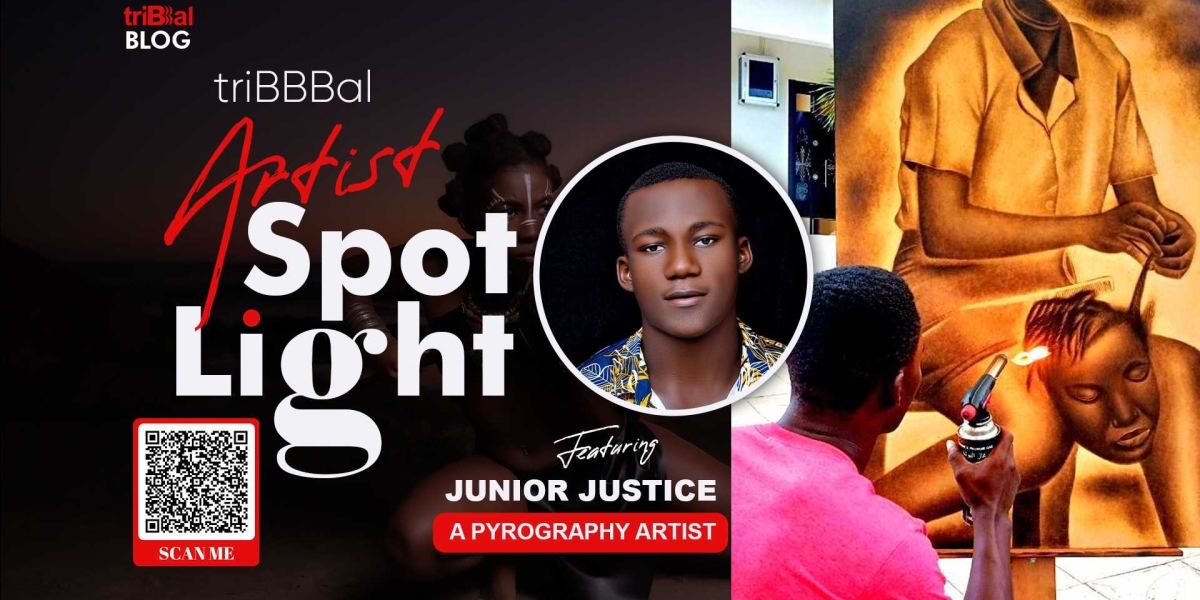
Independent artists leverage a diverse array of platforms to self-publish their work. Social media platforms like Instagram and TikTok have become indispensable tools for building personal brands, connecting with fans, and facilitating direct sales. Online marketplaces such as triBBBal provide avenues for artists to showcase and sell their creations to a global audience, effectively bypassing traditional gallery systems. NFTs (Non-Fungible Tokens) blockchain platforms has introduced new paradigms for digital art ownership and automated royalties through smart contracts. Additionally, print-on-demand (POD) services and personal websites enable artists to showcase and sell physical products and digital downloads directly to consumers globally.
Benefits:
One of the primary attractions of self-publishing is that artists keep full creative and commercial control, and retain complete autonomy over their artistic direction, pricing strategies, and branding. They also earn higher profits by avoiding gallery commissions. Self-publishing facilitates direct engagement with global audiences and collectors, fostering a more personal connection and allowing artists to build their community. Crucially, artists retain full ownership of their intellectual property and data, which is particularly significant in the digital age. The emergence of technologies like NFTs, coupled with smart contracts ensures artists receive automated royalties on every resale, disrupting older models of art sales.
Limitations:
Despite its many benefits, the self-publishing route presents its own set of challenges. Artists must contend with the time-consuming demands of marketing and social media management, which can divert focus from their core creative work. Income may be inconsistent due to inconsistent sales and artists miss out on institutional support such as stipends or residencies that galleries might offer. Independent artists often face a lack of institutional validation, which can make it harder to gain recognition in certain segments of the art world. Furthermore, upfront costs for production, shipping, website maintenance, and digital marketing also fall entirely on the artist.
Key Trends and Market Dynamics
The art market is shifting away from absolute gallery dominance. The gallery sector's share of global art sales notably decreased from 58% in 2021 to 47% in 2022, underscoring a broader market transformation.
Digital and Social Media Impact
The digital revolution has profoundly impacted how art is discovered, valued, and sold. Social media platforms and online galleries have become powerful discovery tools; in 2020, an impressive 87% of art buyers reported using social media to find new artists, a substantial increase from 48% in 2016. This highlights the growing importance of online presence for artists. The NFT boom marked a pivotal moment in art history by challenging traditional notions of authorship and value. NFTs, through blockchain technology, ensure artists receive royalties automatically on resales, a significant shift from previous models where artists often received limited or no compensation for secondary market sales.
Hybrid Approaches
Many contemporary artists now combine both models - strategically balancing self-promotion with selective gallery representation. This approach allows them to leverage the credibility and networks offered by galleries while maintaining direct control and higher profit margins for other aspects of their practice. This flexible approach reflects the response to the evolving market, seeking to maximize both reach and financial benefit.
Contracts and Ownership
For artists engaging with galleries, understanding gallery contracts is paramount. These agreements often detail commission structures, exhibition schedules, insurance responsibilities, and payment terms. They may also include restrictive clauses regarding exclusivity or the right of first refusal. In contrast, self-publishing artists retain full ownership of their intellectual property, granting them complete control over licensing, reproduction, and distribution of their work.
Revenue Streams and Costs
Independent artists typically diversify their revenue streams through channels including print-on-demand services, direct sales of digital downloads, art licensing, and crowdfunding campaigns. Financial analysis tools can help artists make informed decisions about publishing projects and manage these costs effectively.
Conclusion
The choice between self-publishing and working with galleries is no longer an either-or decision for visual artists. The art world is becoming more artist-centered, driven by digital tools and changing audience behaviors. Galleries still offer credibility, support, and access to established networks, while self-publishing gives artists greater control, higher earnings, and direct connection with a global audience. Many artists now combine both approaches to benefit from each. In the end, the best path depends on an artist’s individual career goals, entrepreneurial spirit, and ability to adapt to a changing art market.