Most artists spend years perfecting their craft. They study composition, experiment with style, obsess over details, post more content and try to improve their technique with every new piece. And while all of that matters, it’s often not what determines whether someone actually buys the work because buyers are not thinking like artists.
They’re not standing in front of your work analyzing brush control, color theory, or technical complexity. They’re asking themselves something much simpler:
“What does this piece make me feel?”
That shift in perspective changes everything.
If you’ve ever wondered why talented artists still struggle to sell their work consistently, the answer is rarely a lack of skill. More often, it’s because they’re focusing on what artists value instead of what buyers respond to.
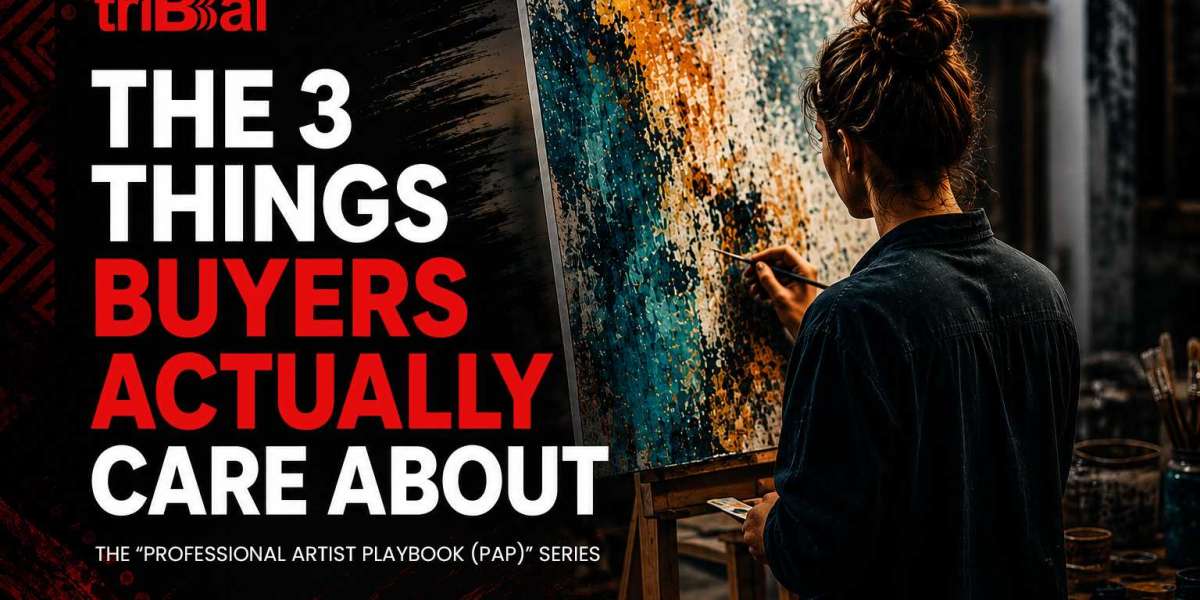
The truth is, most buyers care deeply about three things:
- Emotional connection
- Story and meaning
- Trust and credibility
Master those three, and your art stops being just something people admire — it becomes something they want to own.
1. Buyers Purchase Emotion Before Anything Else
Art is emotional before it is intellectual. People don’t buy pieces simply because they are technically impressive. They buy because something about the work resonates with them on a personal level.
A painting can remind someone of home.
A color palette can create calm.
A portrait can evoke nostalgia.
An abstract piece can communicate energy, freedom, grief, hope, or identity.
That emotional reaction is what creates desire.
When someone buys art, they’re often buying a feeling they want to experience repeatedly in their home, office, or creative space.
Ask Yourself:
- Does your work create a mood?
- Does it communicate something emotionally recognizable?
- Can people feel something before they fully understand it?
Many artists unintentionally focus only on aesthetics and forget the emotional layer that gives art its staying power.
Technique may attract attention.
Emotion is what creates attachment.
And attachment is what drives purchases.
The Most Successful Artists Understand This
Artists who consistently sell work know how to make people feel seen, inspired, comforted, challenged, or understood.
They create experiences — not just visuals.
That doesn’t mean your work has to be dramatic or deeply symbolic. Even minimalist or conceptual work can create emotional connection through atmosphere, memory, identity, or mood.
The key is intentionality.
When your audience can emotionally connect with your work, they stop viewing it as decoration and start viewing it as part of their life.
2. Story Turns Viewers Into Buyers
Great artists create. Smart artists communicate. One of the biggest mistakes artists make is assuming the work should “speak for itself.” Sometimes it does. But often, context is what transforms curiosity into commitment. If buyers don’t understand the meaning behind the piece — or the intention behind the artist — they struggle to form a deeper connection. People want insight. They want to know:
- Why did you create this?
- What inspired it?
- What does it represent?
- What were you feeling when you made it?
- What should they notice that others might miss?
These details matter more than most artists realize.
Story Creates Meaning
A piece of art becomes more valuable when people understand the narrative behind it. That narrative doesn’t need to be overly complicated or poetic. Authenticity matters more than performance. Sometimes a simple explanation is enough:
- A memory that inspired the piece
- A personal struggle it reflects
- A cultural influence
- A moment of experimentation
- An emotion you were exploring
When buyers understand the “why,” they feel included in the experience and inclusion builds connection.
In Today’s Market, Context Matters More Than Ever
Social media has changed how people discover and buy art. People are no longer just buying finished work — they’re buying into artists, personalities, journeys, and perspectives. That means storytelling is no longer optional for professional artists. It’s part of the work. The artists building strong audiences today aren’t just posting finished pieces. They’re sharing:
- Process
- Inspiration
- Meaning
- Behind-the-scenes moments
- Personal insights
- Creative philosophy
That transparency creates emotional investment and emotional investment creates buyers.
3. Trust and Credibility Influence Every Purchase
Before someone spends money on your art, they subconsciously ask: “Can I trust this artist?” That question matters whether you’re selling prints online, commissions, originals, or gallery work.
Talent gets attention. Trust closes sales.
Buyers want reassurance that the artist they support is professional, reliable, and consistent.
What Buyers Look For
- Consistency
Do your visuals, messaging, and portfolio feel cohesive?
Consistency signals professionalism. It tells buyers you take your craft seriously and aren’t randomly experimenting with your identity every week.
- Professionalism
How do you present your work online?
Your captions, website, pricing structure, communication style, and presentation all influence perception.
Professionalism doesn’t mean being corporate. It means being intentional.
- Social Proof
People trust what other people trust.
Testimonials, client feedback, reposts, collaborations, collector photos, and engagement all help reinforce credibility.
When buyers see evidence that others value your work, hesitation decreases.
Trust Is Built Long Before the Sale
Many artists only focus on the moment of purchase but trust is built through repeated exposure over time:
- Showing up consistently
- Sharing valuable insights
- Communicating clearly
- Delivering quality experiences
- Being authentic online
The strongest creative brands don’t just sell art. They build communities around their vision. That’s where long-term demand comes from.
Why Skill Alone Isn’t Enough
This is the hard truth many creatives eventually discover:
Being talented is not the same as being understood. There are incredibly skilled artists whose work never reaches the audience it deserves because they focus exclusively on creation and ignore connection.
Meanwhile, artists with less technical mastery often outperform them commercially because they understand people.
They understand:
- Emotion
- Storytelling
- Trust-building
- Audience psychology
- Brand presence
- Human connection
That’s not “selling out,” that’s learning how buyers think. And once you understand that, marketing your work becomes far more natural.
You stop trying to convince people to care. You start helping them connect.
The Real Shift Professional Artists Need to Make
If your art isn’t selling consistently, the solution is rarely “become more skilled.”
Instead, ask:
- Am I creating emotional connection?
- Am I sharing enough context and story?
- Am I building trust with my audience?
Because buyers are not just purchasing a product.
They’re purchasing:
- A feeling
- A perspective
- A story
- A sense of identity
- A relationship with the artist behind the work
The artists who thrive long-term understand this deeply.
And once you start focusing on emotion, story, and trust alongside skill, your work begins to resonate differently.
Not just as art people admire.
But as art people remember — and buy.
Final Takeaway
Technique matters. Craft matters. Growth matters.
But if you want to build demand around your work, you need more than skill alone.
Focus on:
- Creating emotional resonance
- Sharing meaningful context
- Building trust consistently
That’s what transforms attention into connection — and connection into sales.
Because at the end of the day, buyers rarely purchase art simply because it’s technically good.
They purchase it because it means something to them.
And that changes everything.