The Uncomfortable Truth Most Creators Need to Hear
Talent is valuable. It earns admiration, attracts attention, and can open doors. But talent alone rarely creates a sustainable career. Every day, incredibly skilled artists, and creators share remarkable work online. Some gain likes. Some earn praise. A few go viral. Yet many still struggle to generate consistent income.
Why?
Because the marketplace doesn’t reward talent alone. It rewards products.
This distinction is one of the most important lessons any creative professional can learn. The creators who thrive long-term understand that artistic ability and business sustainability are not competing forces—they are complementary skills.
Mastering both is what separates hobbyists from professionals.
Understanding the Difference Between Art and Product
Many creatives use the terms interchangeably, but they serve fundamentally different purposes.
Art Is Expression:
Art begins with the creator.
It is driven by:
- Personal vision
- Exploration
- Experimentation
- Emotional expression
Art exists because the creator chooses to make it. It doesn't require validation, sales, or even an audience to have value. Some of the most meaningful creative work starts as pure exploration.
And that's important. Without artistic freedom, innovation suffers. But expression alone does not automatically create economic value.
A Product Is Designed for Someone Else
A product begins with the audience.
It is intentionally crafted to:
- Solve a problem
- Fulfill a desire
- Deliver a specific outcome
- Communicate clear value
Most importantly, a product is designed to be understood, accessed, and purchased.
Consider the difference between a beautiful illustration sitting in a sketchbook and that same illustration transformed into:
- A print collection
- A commissioned service
- A digital asset pack
- Merchandise
- A book cover design
- A licensing opportunity
The creative work may be identical but the packaging is not. The second version has become a product. And products create opportunities for revenue.
Where Many Creators Get Stuck
The challenge isn't a lack of talent. The challenge is often a lack of product thinking.
Many artists fall into a familiar cycle:
- They create continuously.
- They post consistently.
- They hope the right audience discovers them.
- And then they wait.
Unfortunately, attention without an offer rarely translates into predictable income.
The internet is filled with talented creators who have audiences but no clear pathway for people to support their work financially.
Without a defined product, potential customers are left asking:
- What exactly am I buying?
- Why do I need it?
- How does it help me?
- How do I purchase it?
When those questions remain unanswered, opportunities are lost.
The Mindset Shift That Changes Everything
Perhaps the most transformative question a creator can ask is this:
Instead of asking: "What do I want to create?"
Start asking: "Who is this for, and why should they care?"
This doesn't mean compromising your creativity. It means expanding your perspective.
The most successful creative entrepreneurs learn how to balance artistic integrity with audience awareness. They understand that creativity becomes more powerful when paired with relevance.
The goal isn't to create less meaningful work.
The goal is to create work that connects deeply with the people it is intended to serve.
How to Turn Creative Work Into a Product
Moving from artist to professional creator requires a deliberate process.
- Define Your Audience
Before packaging anything, identify who you want to help, inspire, entertain, or serve.
Ask:
- Who benefits from this work?
- What are they looking for?
- What motivates them to buy?
The clearer your audience becomes, the clearer your product strategy becomes.
- Package Your Creativity
Raw talent is difficult to sell.
Structured offers are easier to understand and purchase.
Depending on your field, packaging may include:
- Prints
- Commissions
- Templates
- Courses
- Digital downloads
- Membership communities
- Licensing opportunities
- Creative services
The goal is to transform creativity into something accessible and actionable.
- Communicate Clear Value
Many creators focus heavily on features while overlooking outcomes.
Customers care less about what something is and more about what it does for them.
Instead of describing only the work itself, explain:
- The benefit
- The experience
- The transformation
- The solution
Clarity creates confidence. Confidence drives decisions.
- Make Buying Easy
Even the best product can fail if the purchasing process is confusing.
Remove friction wherever possible.
Ensure people can quickly understand:
- What you're offering
- Who it's for
- Why it matters
- How to buy
The easier you make the decision, the more likely people are to take action.
The Future Belongs to Creators Who Understand Both Worlds
There is a common misconception that business thinking somehow diminishes artistic authenticity. In reality, the opposite is often true. Business skills create sustainability.
Sustainability creates freedom. And freedom gives creators the ability to continue making meaningful work. The creators building lasting careers today are not choosing between art and business. They are learning how to integrate both. They create compelling work. They understand their audience. They package their value effectively. And they build systems that allow creativity to generate consistent results.
At triBBBal, we believe the future belongs to creators who understand how to turn ideas into impact, passion into value, and creativity into opportunity. The question isn't whether your work is good enough, it is whether you've made it easy for the right people to understand, appreciate, and invest in it.
That's the difference between creating art and building a creative business.
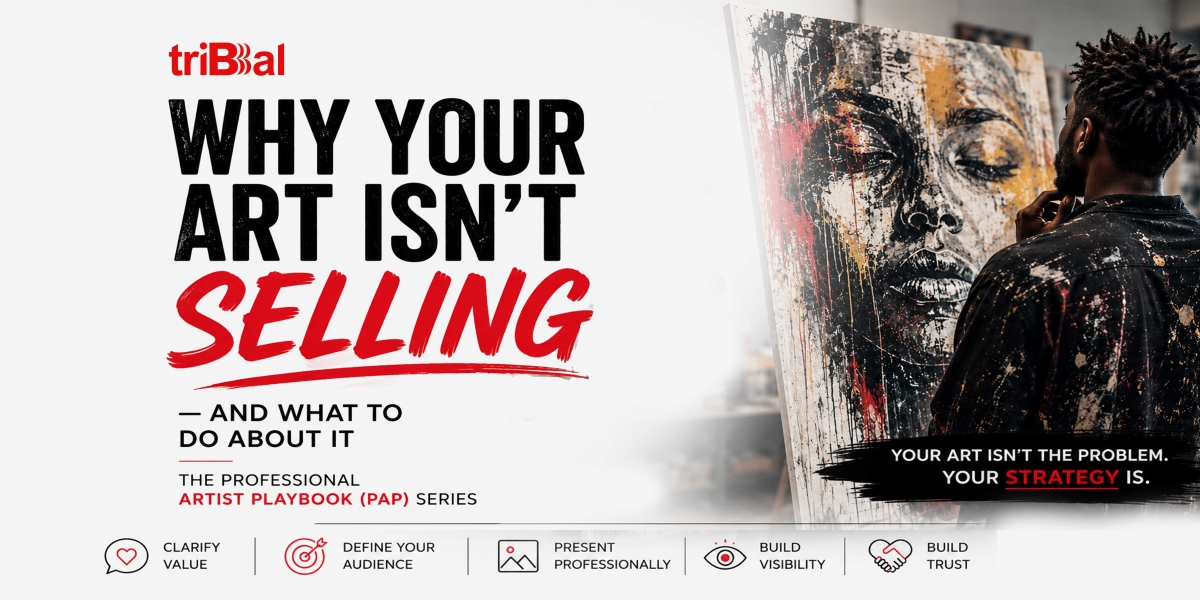
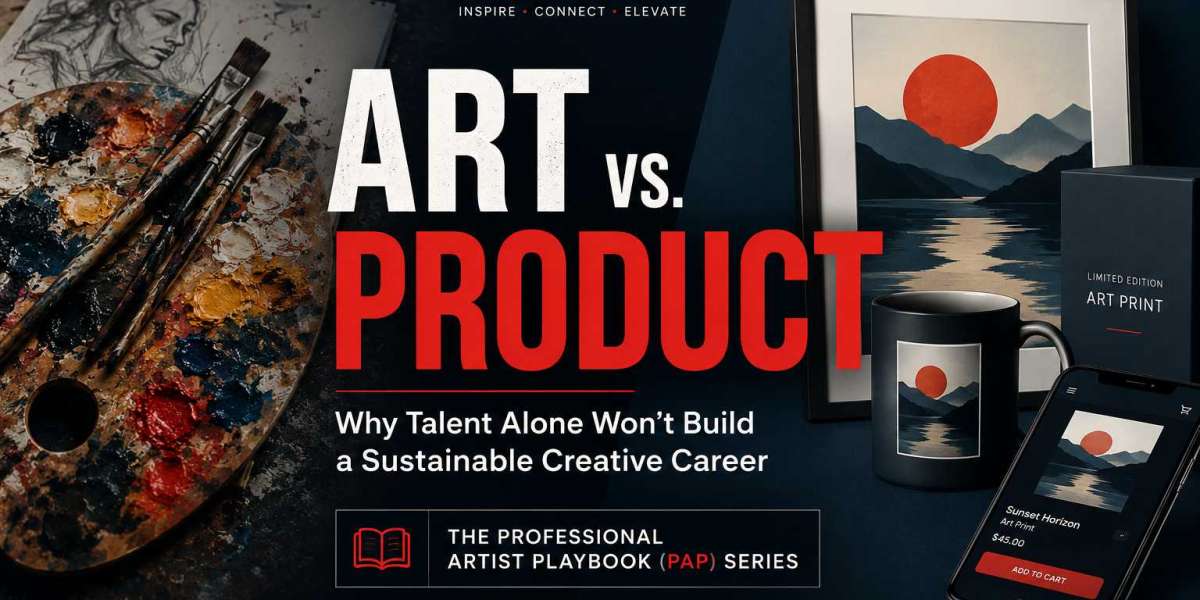
Want to turn your creative skills into a thriving business? Follow the Professional Artist Playbook series for practical strategies on monetization, positioning, and growth.